AlUla: Hegra, Dadan, and Ikmah Highlights Tour
المدة
6 ساعات
نوع الجولة
Group Tour
حجم المجموعة
70 أشخاص
الموقع
Tabuk


نظرة عامة
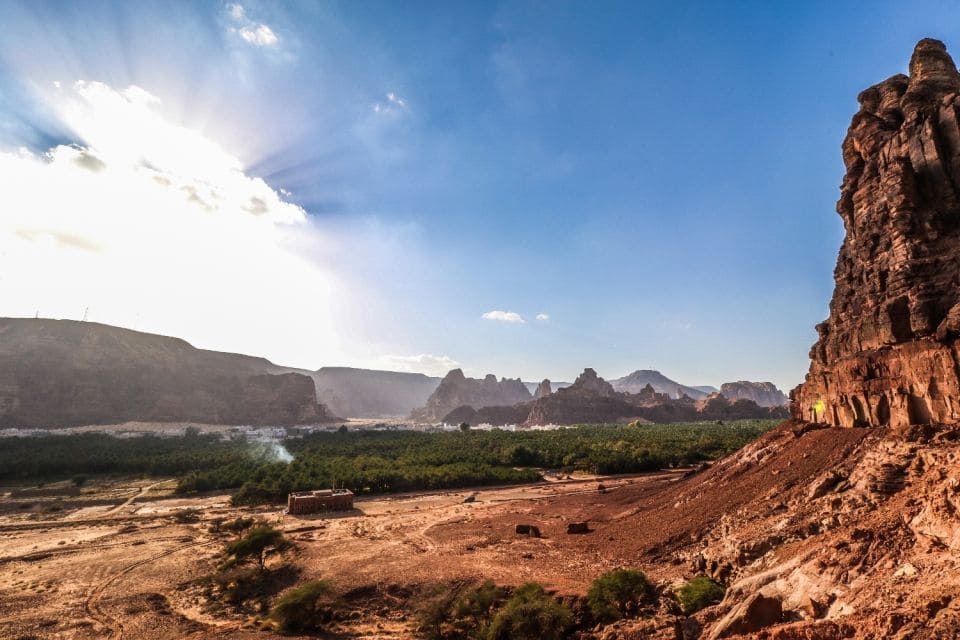
Al-Ula is an ancient Arabian oasis city located in Medina Province, Saudi Arabia. Situated in the Hejaz, a region that features prominently in the history of Islam as well as several pre-Islamic Semitic civilizations, AlUla was a market city on the historic incense route that linked India and the Persian Gulf to the Levant and Europe.
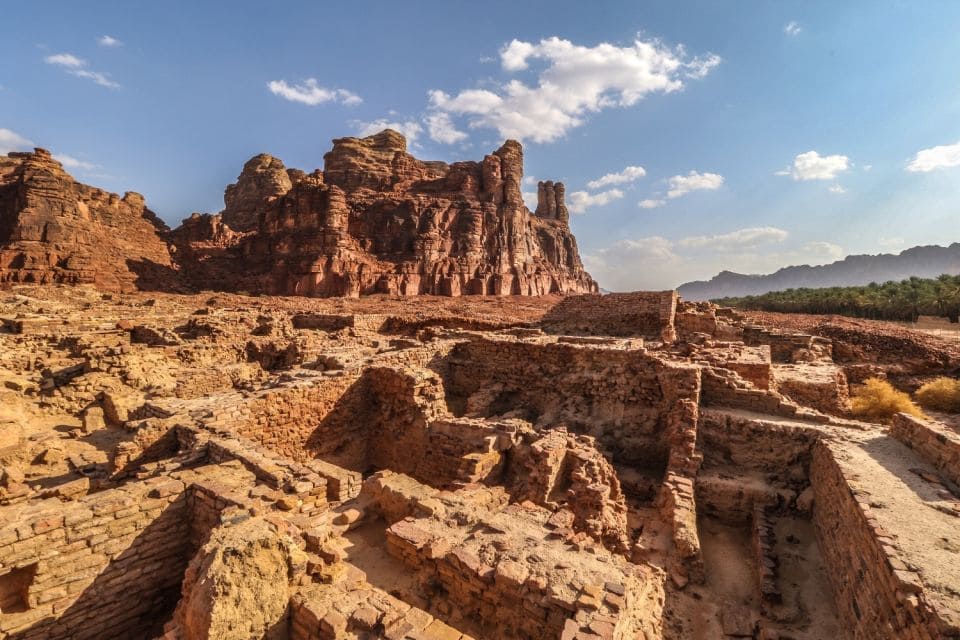
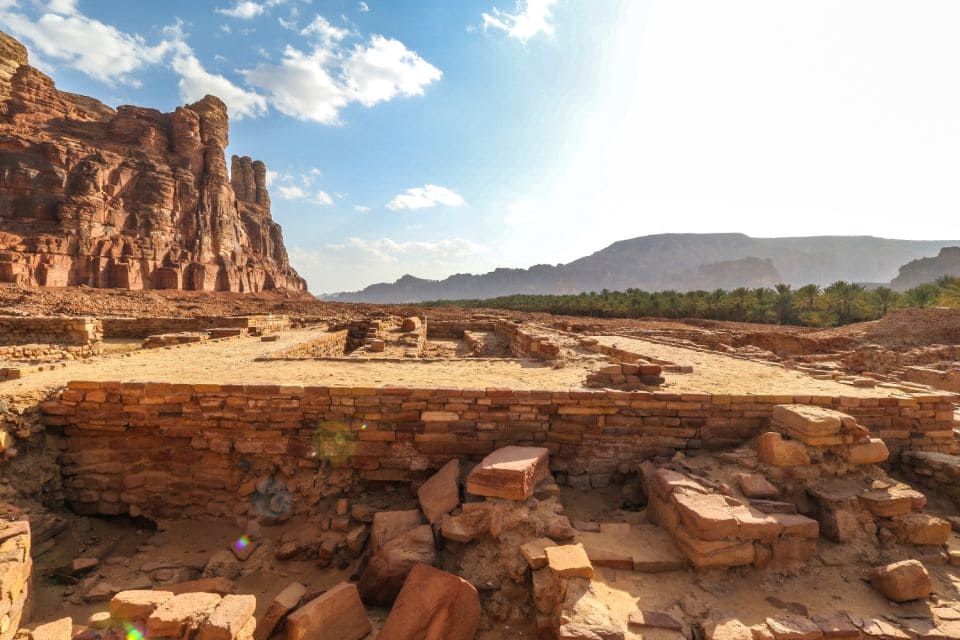
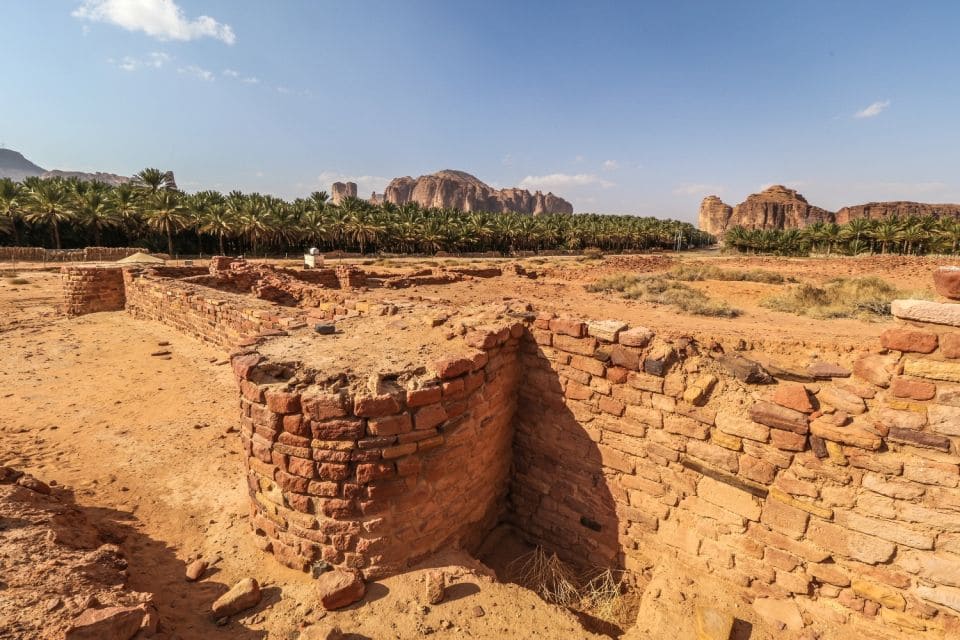
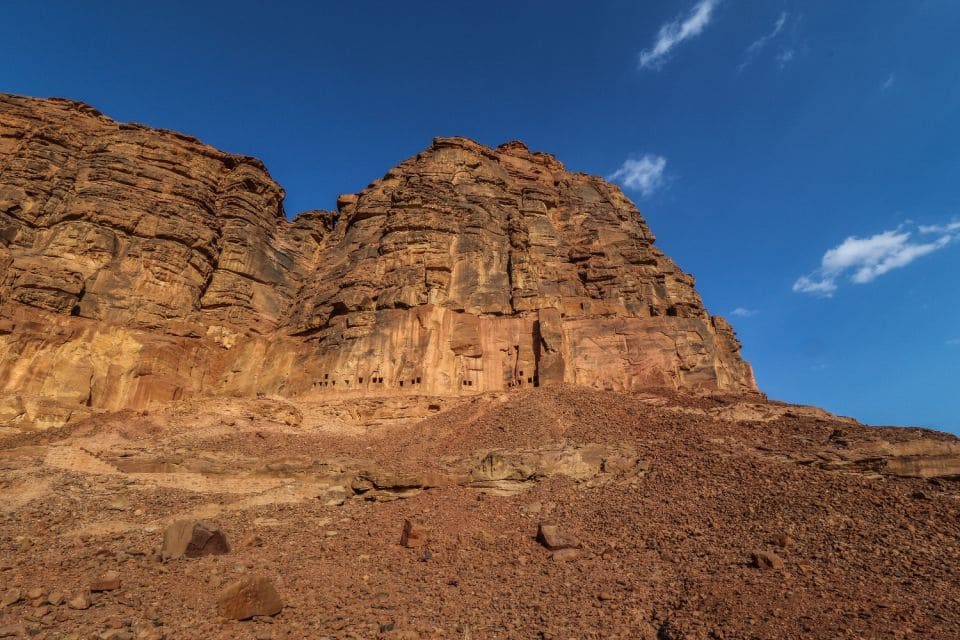
From an archaeological perspective, the immediate vicinity contains a unique concentration of precious artifacts, including well-preserved ancient stone inscriptions that illustrate the development of the Arabic language, and a concentration of rock dwellings and tombs that date from the Nabatean and Dedanite periods that coincided with Greco-Roman influence during classical antiquity. Saudi Arabia's first UNESCO World Heritage Site, Hegra (also known as al-Hijr, or Mada'in Ṣalih), is located 22 km (14 miles) north of the city, in AlUla governorate. Built more than 2,000 years ago by the Nabataeans, Hegra is often compared with its sister city of Petra, in Jordan. Meanwhile, the ancient walled oasis city of AlUla, locally known as al-Dirah, situated near the oasis's palm grove that allowed for its settlement, contains a dense cluster of mudbrick and stone houses. AlUla was also the capital of the ancient Lihyanites (Dedanites).
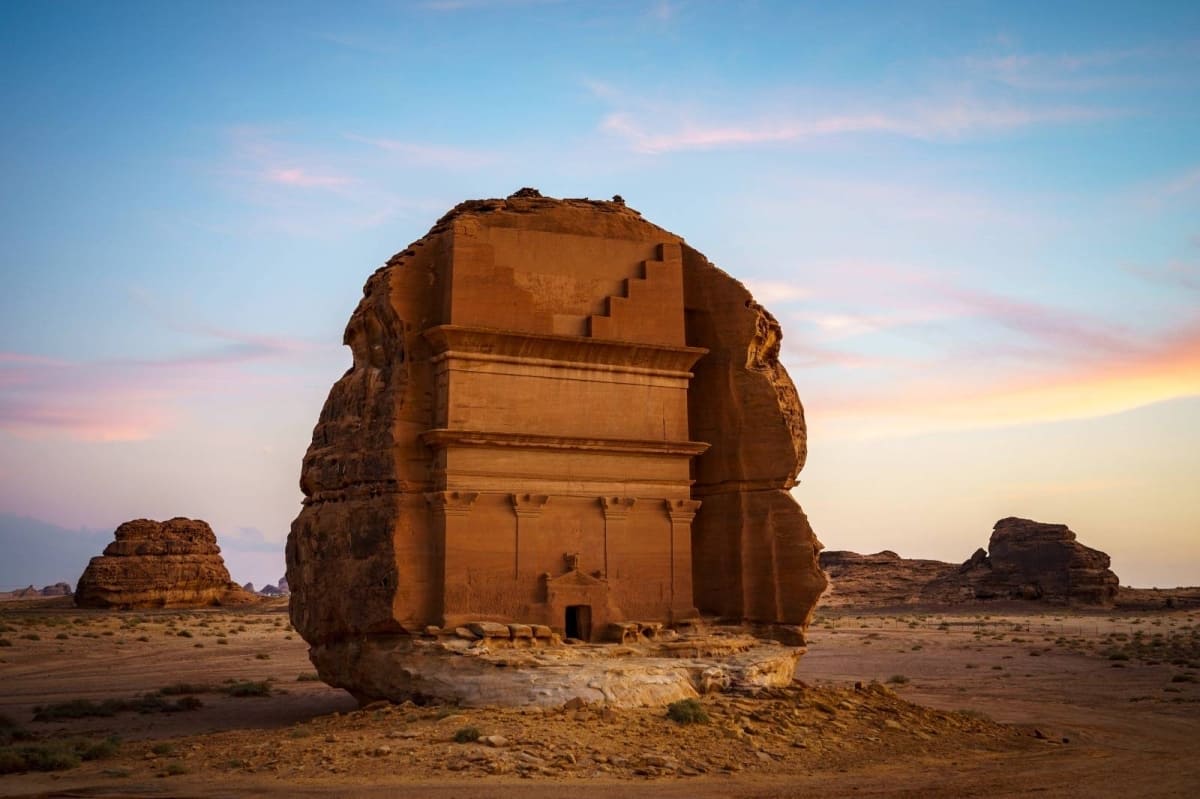
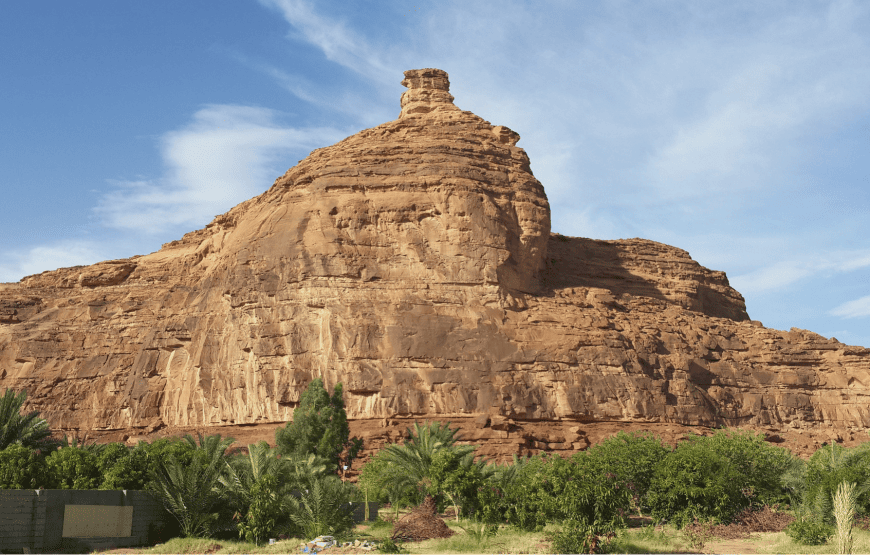
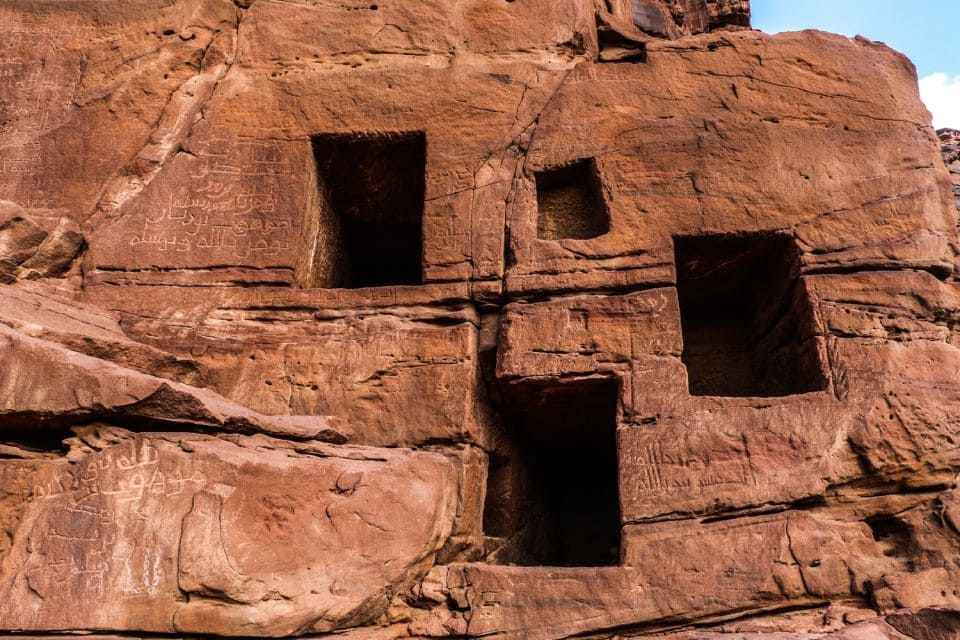
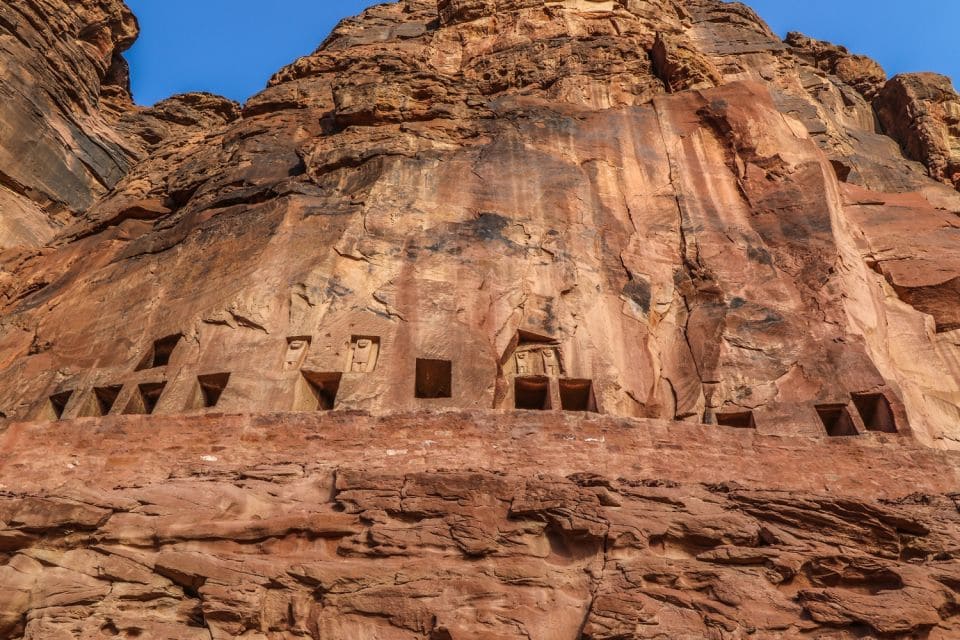
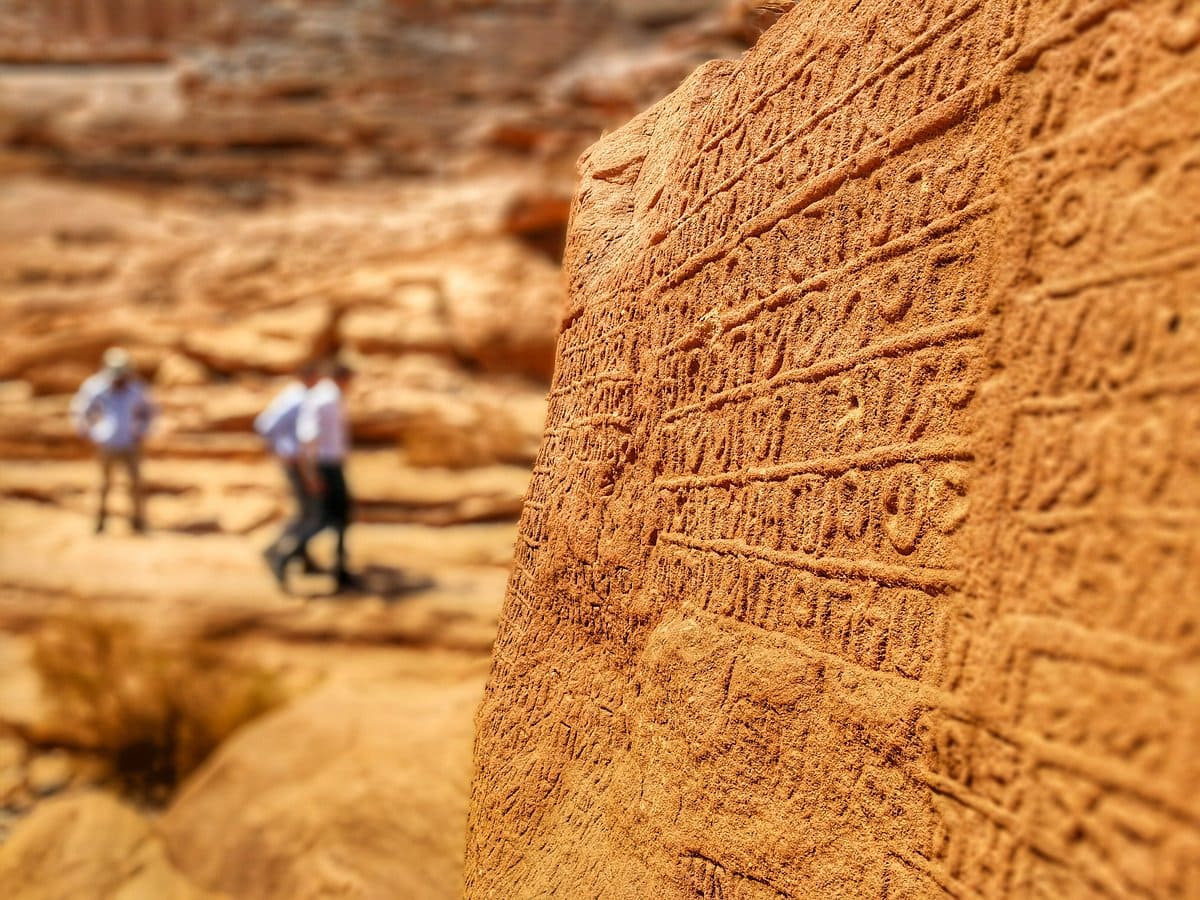
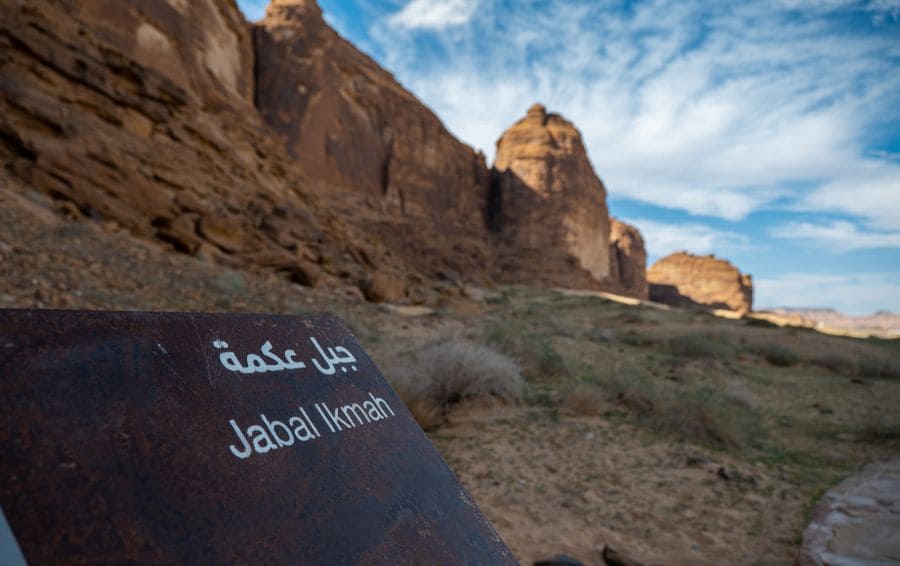
Start your tour by visiting the Hegra, also known as Madain Saleh, or Al-Ḥijr is an archaeological site located in the area of AlUla within the Al Madinah Region in the Hejaz, Saudi Arabia. A majority of the remains date from the Nabatean kingdom. The site constitutes the kingdom’s southernmost and largest settlement after Petra, it’s capital. The Archaeological Site of Al-Hijr (Madain Saleh) is the first World Heritage property to be inscribed in Saudi Arabia. Formerly known as Hegra it is the largest conserved site of the civilization of the Nabataeans south of Petra in Jordan. Then enjoy Elephant Rock, This spectacular rock formation resembles an elephant with its trunk touching the ground, is one of AlUla’s geomorphological wonders and became one of AlUla’s iconic landmarks. Then visit Jabal Ikmah, An open-air library across AlUla’s Valley, lie thousands of inscriptions in Aramaic, Dadanitic, Thamudic, Minaic and Nabataean, features one of the oldest inscriptions of the Islamic era dating back to 24AH (644 CE). Thousands of pre-Arabic inscriptions across numerous sites make AlUla an important location for studying the Arabic language. A mountain north of the AlUla Valley, AlAqra’a, features more than 450 early Arabic inscriptions. Naqsh Zuhayr, to the east, features one of the oldest inscriptions of the Islamic era — dating back to 24AH (644 CE). But no such site is more significant than Jabal Ikmah, home to the highest concentration of and most varied inscriptions in AlUla. In a beautiful desert landscape warmed by the sun, the largest “open library” in Saudi Arabia sits tucked away in a remote canyon valley. Dadan was a caravan way station for many peoples, and one of the clues that AlUla was truly a crossroads of civilisations is Jabal Ikmah, which was visited by those wishing to leave their inscriptions and offerings en route through AlUla. Records kept here — in the form of hundreds of inscriptions and carvings lining the cliff faces and rocks — ensured that Jabal Ikmah would be remembered throughout the ages. A visit to this magnificent site, with its inscriptions, thought to date as far back as the 1st millennium BCE, is a glimpse into the past.
Note:
sightseeing tours on Herga and Dadan & ikmah will be shared with a local tour guide and a small local group.
Meeting Point at Winter park (Winter Park Bus Stop (experience pick up point) | موقف حافلات المنتزه الشتوي (نقطة الالتقاء بضيوف التجربة) - Google Maps)
Highlights
- Discover highlights of AlUla on a guided tour. Visit the archeological site, Hegra, and the famous Hijaz Railway station. See the incredible Elephant Rock, ancient Dadan, and the Jabel Ikmah mountain.
- The tour inside the sights of Hegra and Dadan and Ikhma is by bus, and would be share with other group.
- Contact the tour provider before booking to check on the available times to book the tickets.
- This is a day tour to 2 locations.
- First thing in the morning we start the Hegra. Then at noon we take hegra tour. or vise versa
- Both tours will be taken on different times.
- Times may vary due time changes from AlUla royal commission.
- If the time booked was not available, we will offer different timing.
Arrival time
At least 15 minutes before booking time
تشمل/ لا تشمل
Tour Style
Tour Language
الأسئلة الشائعة
know before you go
Free Parking at Winter Park, Parking is not permitted at the Hegra Heritage sites.
Guests will need to be at Winter Park one hour before the booking time to take the bus to Hegra.
ENTRANCE POLICY:
Late arrival will result in being denied entry and you will need to purchase a new ticket.
Please arrive at Winter Park one hour before your booking time to allow time for entrance formalities.
Buses from Winter Park will depart to Hegra 45 minutes before your booked time.
IMPORTANT NOTE:
We are working hard to protect the heritage sites from any accidental or unintended damage to preserve them for future generations, this tour does not include entry to any of the tombs and you can only visit and see them from outside
Refunds
التقييمات
Packages:
أسعار إضافية:
الخصومات:
- {{total_price_html}}
- {{pay_now_price_html}}